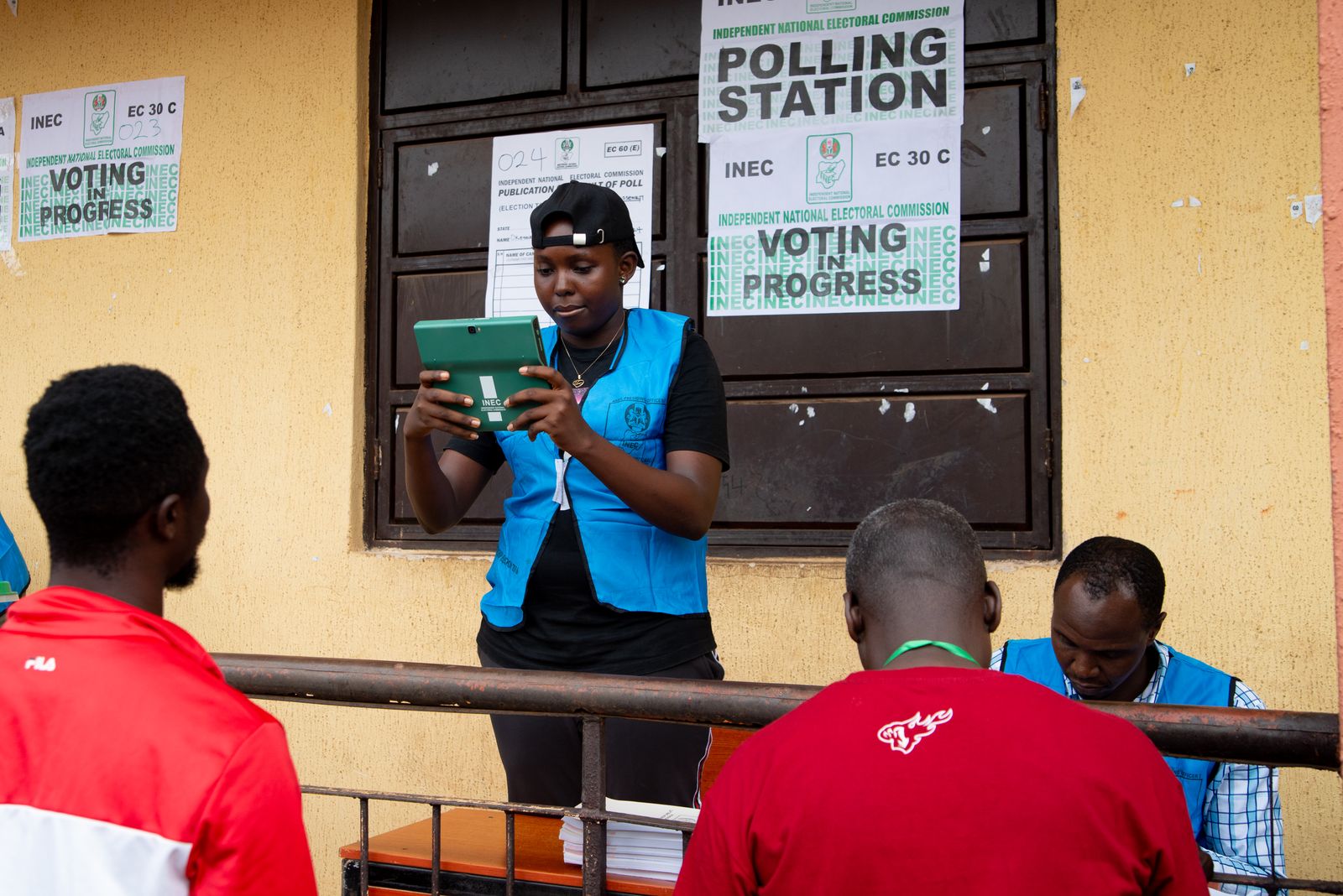
Kenya’s Independent Electoral and Boundaries Commission has confirmed the country’s next General Election for Tuesday, 10 August 2027. For most homeowners, businesses, and institutions, that date still feels distant. In security planning terms, it isn’t.
A Predictable Pattern of Election Period Risk
Election periods in Kenya have consistently brought a predictable cluster of risks: spikes in opportunistic crime during periods of civic tension, protest activity around contested processes, strain on police response capacity, and, increasingly, online narratives that move faster than official information can correct them. None of these risks appear overnight in campaign season. They build gradually, and the organizations that manage them best are the ones that started preparing while there was still time to plan rather than react.
Kenya’s electoral history has followed a recognizable arc each cycle, even as the specific triggers have changed. The 2007 and 2008 election period was followed by widespread violence and displacement that remains the reference point for worst case planning across the region. The 2013 and 2017 cycles were calmer on the ground but introduced a different category of risk: contested results, a Supreme Court nullification of the presidential election result in 2017, a first for the African continent, and months of legal and political uncertainty that kept many businesses and investors in a holding pattern. The 2022 election added another layer again, a far more crowded and fast moving social media environment in which rumor and unverified claims could reach millions of people well before any official correction was issued.
The details of each cycle differ, but the underlying shape does not. Heightened opportunistic crime, protest risk concentrated around results day and any legal challenges that follow, strain on public security resources as police units are redeployed to election duties, and information risk that now moves at social media speed rather than newsroom speed. Understanding that shape in advance is what allows an organization to plan proportionate, well timed responses instead of scrambling to react once the campaign season is already underway.
Opportunistic Crime
Periods of heightened civic tension tend to correlate with an uptick in opportunistic crime, particularly in urban centers and areas where security patrols are stretched thin. This is rarely organized or politically motivated crime. It is more often a function of reduced visible policing in certain neighborhoods, increased foot and vehicle traffic around rallies and polling stations, and a general sense of disorder that some individuals will exploit regardless of the underlying political context. For businesses, this typically shows up as increased risk to physical premises, retail theft, and vehicle related crime around high footfall areas.
Protest and Civil Unrest
Protest activity in Kenya tends to concentrate around specific trigger points: the announcement of results, the filing of legal petitions challenging those results, and any court rulings on those petitions. These are relatively predictable dates once the election calendar is set, which means organizations can plan staffing, logistics, and site security around them well in advance rather than treating them as sudden surprises. The risk is not limited to the immediate vicinity of protests either. Road closures, transport disruption, and knock on effects on supply chains can extend well beyond the areas where demonstrations actually take place.
Strain on Public Security Capacity
Election periods place significant demand on Kenya’s police service, which must simultaneously secure polling stations, manage crowds at rallies, and maintain a baseline level of general policing across the country. Response times to routine incidents can lengthen during this period simply because of where resources are being allocated. Organizations that rely heavily on a fast public police response as their primary security posture should factor this into their planning, and consider what private security, monitoring, or self reliant incident response capability they may need to bridge that gap during the highest risk weeks.
Information and Narrative Risk
This is the risk category that has grown the fastest since Kenya’s last two election cycles, and it is the one traditional security planning is least equipped to handle. Rumors about violence in a specific area, fabricated claims about results, and coordinated narratives designed to provoke a reaction can now spread across social media in minutes. For an organization trying to make real time decisions, such as whether to close a branch, move staff, or issue a public statement, distinguishing a genuine emerging threat from an unverified or fabricated one has become one of the harder judgment calls of the entire election period. We cover this in more depth in our companion piece on deepfakes and Kenya’s 2027 election.
Who Should Be Paying Attention Twelve Months Out
Election risk is not confined to any single sector, but the specific exposure looks different depending on what an organization does and where it operates.
- Critical infrastructure operators, including energy, water, transport, and telecommunications providers, face both physical security risk to sites and the reputational and operational risk of service disruption during a period when public patience is already thin.
- Retail and hospitality businesses with public facing premises in urban centers are exposed to both opportunistic crime and the operational disruption of road closures, protests, and shifting foot traffic patterns.
- Financial services and banks need to plan for branch security, cash in transit risk, and the possibility of misinformation targeting their institution specifically, which can move markets or trigger panic behavior among customers.
- Embassies, NGOs, and international organizations are frequently named directly in political narratives during Kenyan election cycles, which makes them a more likely target for both physical protest activity and disinformation.
- Schools and universities need contingency plans for closures, transport disruption affecting students and staff, and clear communication protocols with parents during periods of uncertainty.
- Residential estates and gated communities, particularly those housing expatriate staff or high profile individuals, should reassess perimeter security and incident response arrangements well ahead of the campaign period.
- Manufacturing and logistics operators with time sensitive supply chains need visibility into likely protest hotspots and road disruption to protect delivery schedules and staff movement.
n
n
nn
Introducing the Election Intelligence Cell
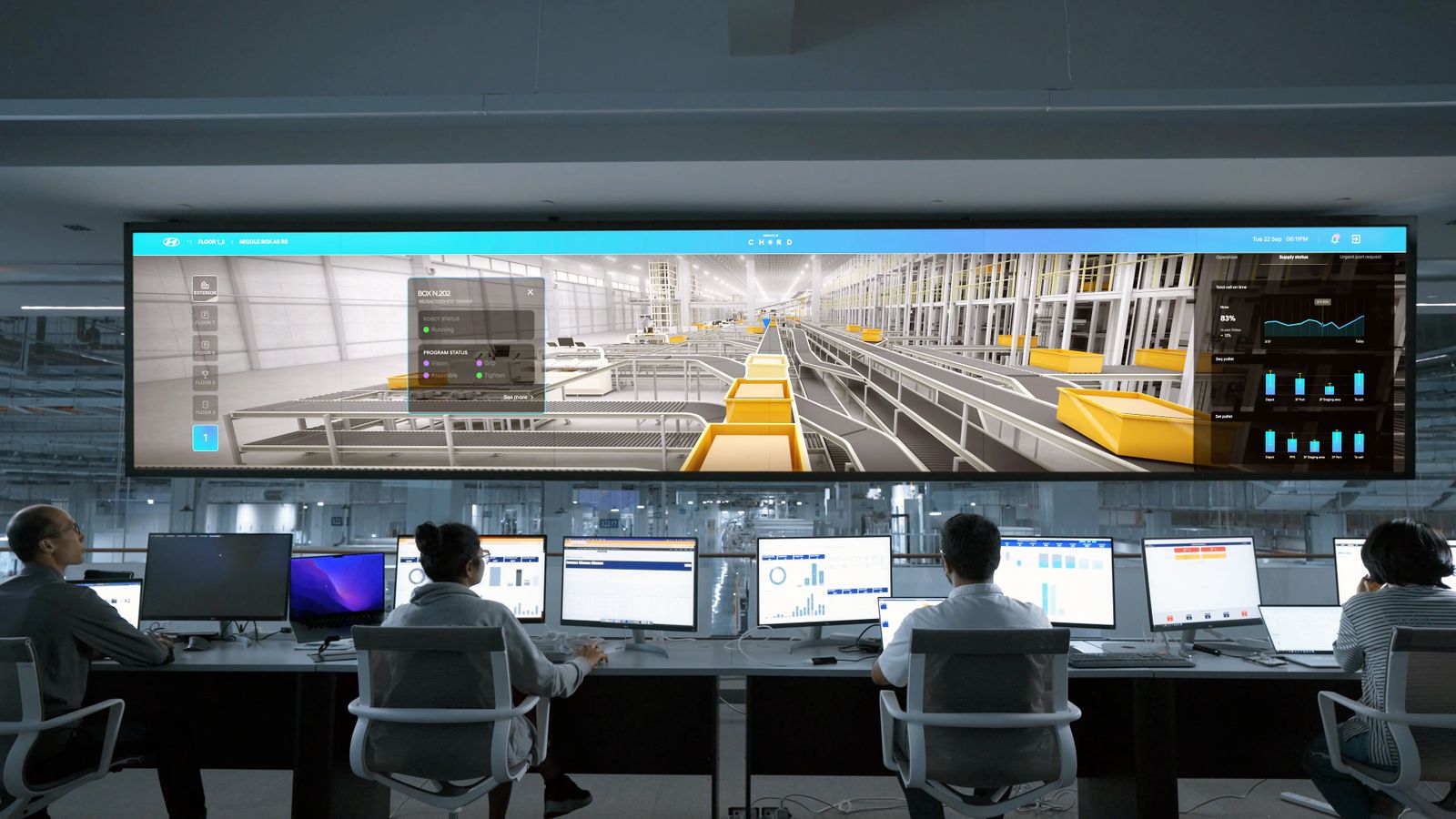
This is the thinking behind ConvergedSkills’ Election Intelligence Cell, a structure built to turn election period uncertainty into decision grade intelligence, well before the campaign season compresses everyone’s timeline. The Cell combines three things that, individually, are common in the market but rarely integrated: AI-supported sentiment and disinformation monitoring, open-source intelligence gathering on the ground, and, critically, experienced analysts who validate and interpret what the tools surface, rather than forwarding raw alerts.
The reason that combination matters is straightforward. Automated monitoring tools are good at scale. They can process far more social media activity than any human team, flagging spikes in volume, sentiment shifts, and emerging narratives in near real time. What they are not good at is judgment. A monitoring tool cannot reliably tell the difference between a genuinely credible threat and a viral rumor with no basis in fact, and forwarding every raw alert to a client’s leadership team creates alert fatigue rather than useful intelligence. Analysts alone, on the other hand, cannot manually monitor the volume of content a national election generates. The Cell is built specifically to close that gap, using tooling for scale and analysts for judgment.
What We Will Cover Over the Next 12 Months
Over the next year, our services will focus on six specific areas, each building toward a comprehensive picture of election period risk for our clients.
Election Threat and Vulnerability Assessments
We start with a baseline assessment of what election period risk actually looks like for a specific organization, based on its sector, its physical locations, its staff footprint, and its public profile. This is the same disciplined methodology behind our broader Threat, Vulnerability and Risk Assessment service, applied specifically to the election calendar and the risk patterns described above.
AI Supported Disinformation Monitoring
Using sentiment and narrative tracking tools layered with analyst review, we monitor for coordinated or synthetic content, emerging false narratives, and any disinformation that names or targets our clients specifically, so that leadership teams are informed before a narrative reaches crisis scale rather than after.
Protest Mobilization and Hotspot Intelligence
Open source intelligence gathering allows us to track planned demonstrations, likely mobilization points, and emerging hotspots, giving clients practical advance warning to adjust staff movement, site security, and logistics rather than learning about a road closure or protest route after it has already disrupted operations.
n

n
nn
Board Grade Intelligence Briefs
Raw monitoring data is not useful to a board or executive team on its own. We translate what we are tracking into concise, decision oriented briefs on a daily or weekly cadence depending on the risk level at the time, written for people who need to make a call quickly rather than parse a data dashboard.
Crisis Escalation Triggers and Executive Advisory Support
We work with clients in advance to define what actually constitutes an escalation, agreeing on clear triggers and response protocols before the pressure of a live situation forces a rushed decision. When those triggers are met, our team is available to advise executive leadership directly through the incident.
Post Election Resilience Review
Once the election period has concluded, we conduct a structured review of what happened, what worked, and what should change ahead of the next cycle. Election risk management is not a one time project. It is a capability that should improve with every cycle it is tested against.
A Practical Twelve Month Timeline
Organizations often ask what preparing twelve months out actually involves in practice. A useful way to think about it is in phases.
- Twelve to nine months out. Complete a baseline threat and vulnerability assessment, identify priority sites and personnel, and establish the monitoring relationships and reporting lines that will be used throughout the cycle.
- Nine to six months out. Stand up ongoing sentiment and disinformation monitoring at a baseline cadence, and begin scenario planning workshops with key stakeholders to pressure test response plans.
- Six to three months out. Increase briefing frequency as candidate nominations and campaign activity begin, and finalize escalation triggers and executive advisory arrangements.
- Three months out through campaign season. Move to daily monitoring and briefing, with escalation protocols fully live and tested.
- Election week. Heightened posture, with continuous monitoring through results day and any immediate aftermath.
- Post election. Conduct the structured resilience review and capture lessons for the next cycle.
Frequently Asked Questions
Is twelve months really necessary, or is this overly cautious?
Twelve months gives an organization time to build monitoring and response capability gradually, rather than trying to stand up a full election risk program in the final weeks of the campaign, when most other organizations are doing the same thing and specialist capacity becomes harder to secure.
Do smaller organizations need this level of planning?
The scale of the engagement should match the scale of the organization. A single site business needs a much lighter touch than a national bank, but the underlying questions, what could disrupt us, and how would we know in time to respond, are relevant at almost any size.
How is this different from generic social media monitoring tools?
Generic tools surface volume and keywords. They do not validate whether a claim is credible, assess its likely trajectory, or translate it into a specific recommendation for your organization. That analyst layer is what turns monitoring into intelligence.
What happens if nothing significant occurs during the election period?
That is, genuinely, the best outcome, and it does not mean the preparation was wasted. Organizations that plan well often experience a quieter election period precisely because they made sound decisions early, adjusted operations proactively, and avoided the kind of reactive scrambling that tends to turn a manageable situation into a costly one.
We will be publishing regularly on each of these areas over the coming months, starting with a look at how disinformation and deepfakes specifically threaten Kenya’s information environment, given how heavily the country relies on social media for real time news. If your organization has not yet asked what its election risk actually looks like twelve months out, that is the right question to start with, and we are glad to help you answer it.
Explore our threat and risk assessment services, our stakeholder coordination services, or get in touch to scope an Election Intelligence Cell engagement for your organization.
Common Mistakes Organizations Make During Election Periods
Having supported organizations through multiple Kenyan election cycles, a handful of avoidable mistakes come up repeatedly.
- Starting the planning conversation during campaign season. By the time nominations are underway, specialist monitoring and security capacity across the market is already stretched thin, and internal teams are trying to build a response plan under time pressure that should have started months earlier.
- Relying entirely on public police response. Police resources are legitimately stretched during election periods, and organizations that have not thought through what they will do if response times lengthen can find themselves without a fallback plan precisely when they need one.
- Treating every viral claim as confirmed fact. Reacting to unverified social media content, whether by closing a site, moving staff, or issuing a public statement, can cause more operational disruption than the original rumor, particularly if the claim later turns out to be false or exaggerated.
- No single, clearly designated decision owner. When an election related incident unfolds, ambiguity about who has the authority to make a call, close a branch, or issue a statement wastes time that often cannot be recovered.
- Skipping the post-election review. Every cycle offers lessons about what worked and what did not. Organizations that skip a structured review tend to relearn the same lessons the hard way at the next election.
What if we already have an internal security team?
Most of our election intelligence clients have their own internal security or risk function. Our role is typically to extend that team’s capacity and give them a specialist monitoring capability they would otherwise have to build from scratch for a single election cycle, then hand fully formed intelligence to your internal team so they can make the final call with better information.
Can this engagement scale up or down as the risk picture changes?
Yes. The twelve month structure is deliberately phased so that intensity increases as the election approaches and the actual risk environment develops. If the campaign period turns out to be calmer than a previous cycle, monitoring and briefing cadence can be adjusted accordingly, and the same applies in the other direction if tensions rise faster than expected.
Why Twelve Months Is the Right Starting Point
A year may sound like a long lead time for a single election, but most of the value in election risk planning comes from the groundwork done well before the campaign itself begins. Baseline assessments take time to do properly. Monitoring systems need a settled period to establish what normal activity looks like for a specific organization, so that genuine anomalies stand out rather than getting lost in noise. Relationships with local authorities, security partners, and internal stakeholders need to be built before they are tested under pressure, not during it. None of that can be compressed into the final few weeks before an election without a meaningful drop in quality.
There is also a simple capacity argument. As the election approaches, demand for experienced security and intelligence support rises sharply, and the organizations that started early have already secured the partners and the internal readiness they need. Those that wait are competing for the same limited pool of specialist capacity as everyone else, at exactly the moment it is hardest to access.